It´s not a secret. Self-discipline takes patience and courage. Truth being told, the majority of us do not like to work very hard. We expect that life should happen exactly the way we want it, with not much effort from our side. That´s why most of the people remain average. When I say average, I mean, they aim at little and stay with little. They are afraid to dream big, not only because they don´t think they can accomplish it, but also because they know that going after a big dream will mean hard work, sacrifice and get out of the acclaimed comfort zone.
Our culture today loves movie stars, football sensations, business gurus, self-made multimillionaires, influencers and people of the sort that promise the good easy life. They seem like they accomplish everything so easily; from the outside it seems like if they didn´t had to do much to accomplish their position. We think, that person got really lucky, and it was already born talented, so it was a matter of good luck. Being an underdog, working hard for the love of it with no appraisals or attention it’s not sexy, it’s not what is promoted in our social circles.
I believe that the reality is far from being that simple. Roger Federer, considered the best Tennis player in history, is a living example of this. He has mentioned in numerous occasions that self-discipline and endless endurance trainings throughout the years starting at a very early age were the key to his success.
Key elements of self-discipline
“If you want to master the mind and remove your governor, you will have to become addicted to hard work. Because passion and obsession, even talent are only useful tools only if you have the work ethic to back them up”- David Goggins
Self-discipline in my opinion, must contain the following elements to really work:
Determination: It is a mixture of passion and perseverance which keeps us moving forward despite the obstacles;
Practice: Repetition in simple activities, along a certain period of time can transform the ordinary to the extraordinary. The greatest abilities which are performed with great precision, are the ones that are executed in the most rigorous and corrected ways.
“We have to develop the instinct of what one can achieve through their greatest efforts”- Albert Einstein
Resilient mentality: We will fail. There will be days that we would like to just give up because we don´t see results after many attempts. Having a resilient mentality will help us overcome those bad moments. Resilience means remaining positive and calm even in the worst of the events. If we remain positive and hopeful, even if things don’t work out as planned, it will keep us in the game.
Stay alert: The fact that we are focused performing certain actions restlessly should not blind us from the “whole”. It is important to keep ourselves alert of any activity that is not really serving us so that we can change it.
Flexibility: In this world, change is the only constant. There will be points in our lives where external situations will change completely our plans. One important element of being disciplined is the ability to remain flexible and make changes accordingly. It is our responsibility to adapt to new circumstances to avoid getting stuck in doing things that do not work anymore in the present situations.
Reflecting on the above elements, drives us to the obvious conclusion that achieving self-discipline starts with the mind. A disciplined mind will result in a disciplined body and action.
One of our greatest challenges in our own personal growth is to achieve an extraordinary level of self-discipline to develop the necessary focus to achieve what we are longing to do. I believe that this is really the starting point in our journey of reaching our most desirable goals in life.
Being disciplined is an act of self-love. It’s giving that confirmation to yourself that your goals matter; your dreams matter. They are worth enough to dedicate all your time, all your passion and all the hard work it takes to make them a reality. It is a price worth paying, isn´t it?
https://www.paolaknecht.com/wp-content/uploads/2020/11/pexels-photo-1576937.jpeg13001002paolahttps://www.paolaknecht.com/wp-content/uploads/2024/07/logo.pngpaola2020-11-17 10:38:122020-11-17 10:38:12The Power of Self-Discipline
Esta es definitivamente la era del Networking. Casi todas nuestras actividades diarias están relacionadas de una manera u otra con diferentes tipos de “Networks” o redes. Gracias a nuestra forma modernizada de vivir, ahora dependemos de redes de suministro sofisticadas para satisfacer hasta nuestras necesidades más básicas.
Todavía a finales del siglo XVIII, los humanos nos organizábamos en pequeñas comunidades. La familia era el núcleo y ésta funcionaba de forma autosuficiente- Ellos mismos se encargaban de cosechar, y producir sus propios alimentos, se confeccionaban sus propias ropas y resolvían otros problemas propios del humano como educación, seguridad y salud discutiendo entre ellos y llegando a acuerdos. No existían “expertos” especializados en algo en particular- todos los miembros de la comunidad participaban en todas las actividades relacionadas con la vida y sociedad de la misma.
Con la llegada del siglo XIX también comenzó la era de industrialización masiva y por ende una nueva forma de vida, que cambió permanentemente la tradicional vida de comunidad y familia como núcleo principal de la sociedad, dándole paso a el estado y corporaciones globales como responsables centrales de abastecimiento y suministro de todas las necesidades básicas de la nueva sociedad. Éstos son los comienzos de la era “Networking”.
A partir de mediados del siglo XIX y en específico después de la segunda guerra mundial, las nuevas sociedades no necesitaban formar a las personas en todos los ámbitos posibles. Ya no era necesario enseñar a nuestros hijos a cosechar su propia comida, a observar detenidamente la naturaleza y aprender de ella para conseguir subsistir. Ya no era necesario saber tejer, ni cocinar, ni entender de mecánica, física o leyes para poder serle útil a la comunidad. Las grandes corporaciones y el estado se encargan de suministrar todo lo necesario, a cambio de que los miembros de la familia salgan a la escuela, trabajo de fábrica y paguen por el servicio, y paguen los respectivos impuestos.
En la vida moderna, ya no es importante formarte como un ser humano completo. Hoy en día, prácticamente no tienes ninguna presión de aprender a sobrevivir. Puedes elegir dedicarte a un trabajo que sirva en una industria específica y “consumir” el resto- dejar que alguien cocine por ti, haga la ropa por ti, cuidar a tus hijos y hasta darte el suministro de amor propio que no haz logrado desarrollar tú mismo. Los likes en facebook e instagram hacen el trabajo por ti.
He escuchado en múltiples ocasiones que el Networking es la panacea en la vida social y los negocios de hoy en día. Sin ser parte de un Networking, básicamente estaríamos aislados y perdidos. Hoy en día hay redes sociales de todo tipo: Profesionales, educacionales, religiosas, deportivas, de raza, de género… en fin, la lista es infinita. Puedes pertenecer a una infinidad de redes.
La pregunta aquí es, si la existencia y pertenencia a todas estas redes, ¿Nos ha beneficiado más para buscar una unidad real como seres humanos, o nos ha alejado más?
Con la evolución de la tecnología, estas redes se han trasladado a ser virtuales. Antes, había un cierto grupo de personas que se juntaban un par de horas ciertos días de la semana/mes/año para intercambiar ideas, opiniones, ayudarse mutuamente en problemas, o simplemente convivir. Ahora con la aparición de las redes sociales virtuales, básicamente no hay límite en el número y escala de personas que pueden unirse a la red.
Si el Networking es tan beneficioso como dicen, ¿Qué estoy haciendo mal?
No sé cuál sea tu experiencia siendo parte de distintas redes. En mi propia experiencia, puedo decir que al principio cuando me unía a un grupo de Networking que me interesaba, me sentía energizada y con muchas ganas de aprender de los demás y formar lazos de amistad que trasciendan las 4 paredes del lugar. Sin embargo, con el paso del tiempo, me daba cuenta que confiar en el mecanismo puro del Networking me ha dejado una sensación de vacío; Los problemas se discutían una y otra vez, pero no llegábamos a solución alguna. Los lazos de amistad eran difíciles de hacer, tomando en cuenta la cantidad limitada de tiempo que cada uno de nosotros le dedicábamos al grupo. Aveces, me daba la sensación de que la gente se unía no solamente por una causa y un objetivo común, si no que habían propias agendas y propios intereses, y esperaban que siendo parte de la red sus problemas específicos puedan ser solucionados, pero no se interesaban por tus problemas. Siendo honesta, al final creo que eran más bien reuniones superficiales y burdas.
En mi punto de vista, creo que nos han vendido demasiado la idea de Networking como la herramienta número uno para resolver nuestros problemas humanos, y no dudo de sus ventajas, pero es peligroso cegarnos ante los efectos negativos.Las grandes redes, incluso las mejor intencionadas, drenan la verdadera vitalidad de las relaciones humanas: Las relaciones familiares y de comunidad. Las grandes redes, prometen soluciones mecánicas y en base de números (i.e. entre más somos, mejor), a complejos e intrínsecos problemas humanos; Para realmente poder resolver nuestros problemas, se requiere de una intensa interacción de diferentes experiencias de vida, aunados de una intensa cooperación entre un limitado grupo de humanos que están mutuamente relacionados y conocen a fondo la situación.
Hace más de dos mil años, Aristóteles dijo que la participación total en todo el rango de complejas relaciones humanas de todo tipo, era la única manera de desarrollarse como un humano completo. En este caso, las redes de hoy en día dejan mucho qué desear.
Las redes sociales de nuestros días estratifican más y más las actividades humanas; sobretodo, las “redes especializadas” y “profesionales”. Demasiadas redes sociales y de otras índoles, causan confusión y desfragmentación como humanidad. En cada red social, doy una parte de mi: De mi experiencia, de mi historia, de mi vida. Como yo, otros cientos o hasta miles, hacen lo mismo. ¿Cuál es el resultado esperado? ¿Facebook me ayudará a conseguir más amigos verdaderos?, ¿Linkedin me ayudará a conseguir el trabajo de mis sueños?
Al final, creo que urge como sociedad que no perdamos la vista en lo que realmente es importante: La familia. El núcleo familiar se está perdiendo. La familia y la comunicad local, es el mejor lugar para ejercer nuestra humanidad a fondo: El auto-conocimiento, auto-descubrimiento de uno mismo se da mejor cuando te identificas con un lugar, con una comunidad, con un grupo de personas en donde tienes la libertad y capacidad de expresar todos los aspectos que nos hacen ser humanos.
La globalización nos ha sido vendida como utopía, pero la verdad, como dice Wendel Berry: “No creo que -pensar global- sea fútil, creo que es imposible. No puedes pensar en algo que no conoces, y nadie conoce por completo este planeta. Algunas personas conocen sólo algunas partes y algunas experiencias. La gente que cree que piensa global, trata siempre de reducir el mundo de forma abstracta y a base de estadísticas que básicamente reduce al mundo a verlo sólo en cantidades numéricas simplificadas, lo cual es totalmente ilógico”.
Las redes sociales tal vez nos han dado la ilusión de que los problemas humanos los podemos resolver de forma fácil en cuanto más seamos: Conseguir trabajo fácil, dinero fácil, amistades fáciles, conseguir salud fácil, conseguir belleza fácil. Ver a la humanidad como una maquinaria gigante que en conjunto entregará los resultados mágicos que funcionen para todos. Es una ilusión y es un problema, que nos valgamos de extensas redes sociales para resolver nuestros problemas- y que la solución se adapte a nuestras necesidades únicas como individuos.
Es urgente reconsiderar y recuperar nuestra total humanidad. Me gustaría finalizar con una frase de John Taylor Gatto, que resume muy bien esta propuesta: “Las personas no pueden estar completas, a menos que decidan juntarse voluntariamente en grupos y almas en armonía. Unirse para aspirar a sueños individuales, familiares y de comunidad, los cuales son consistentes con su propia humanidad y que los hace sentirse completos. Sólo los esclavos son reunidos por otros. Y estos sueños tienen que escribirse localmente, porque el aspirar a más grandes ambiciones sin esta base es perderse de las cosas que realmente dan significado a la vida: El ser, la familia, los amigos, el trabajo y la comunidad íntima”.
https://www.paolaknecht.com/wp-content/uploads/2020/10/play-stone-network-networked-interactive-163064.jpeg12531880paolahttps://www.paolaknecht.com/wp-content/uploads/2024/07/logo.pngpaola2020-10-20 11:26:252020-10-20 11:26:25Networking: ¿Parte de la Solución o Parte del Problema?
Desde que era niña, me gustaba observar a las personas. Las veía con atención mientras hacían sus actividades comunes. Me gustaba ver cómo algunas caminaban de distinta manera- algunas muy erguidas y la mirada al frente, como si estuvieran felices de enfrentar lo que se encontraran en el camino- otras caminaban más bien cabizbajas, con la mirada perdida en el piso. Cuando observaba a las primeras me inspiraban cierta confianza. Cuando veía a las segundas, a veces, pensaba: Se ven tristes ¿Será que se les perdió algo y están tratando de encontrarlo?
La vida, este viaje que emprendemos juntos como humanidad, me parece excitante, es como ir en una rueda de la fortuna; unas veces estamos en la cima del mundo, todo nos sale bien, acumulamos éxitos… y otras veces, estamos en el fondo, nos sentimos desdichados, sufrimos pérdidas, nos sentimos en un hoyo sin poder ver qué es lo que sigue, si alguna vez volveremos a subir o nos quedaremos para siempre en el fango.
Cuando se termina el paseo en la rueda, terminamos dándonos cuenta que al final, la experiencia de vida es una acumulación de las dos partes: La cima y el fango.
Lo interesante es preguntarnos, ¿De qué manera estamos viviendo esos momentos, tanto los buenos, como los malos? ¿Qué actitud está rigiendo nuestros pensamientos, emociones y al final, nuestras acciones?
Seguramente has escuchado que cada persona tiene un “estilo” de vida. Ese conjunto de hábitos, decisiones y pensamientos que dominan nuestra vida diaria, es lo que llamamos tener un estilo de vida en específico.
También lo escuchamos continuamente en el mundo comercial donde el Marketing va dirigido a personas que tienen un cierto “estilo de vida” y son aquellas a las que las compañías eligen como presa de enfoque para vender sus productos o servicios:
¿Quieres tener un estilo de vida saludable? Compra el programa de dieta XYZ! ¿Eres de aquellas personas que aman el deporte y la aventura? Compra nuestra bicicleta de montaña doble XX o suscríbete a nuestro programa fitness ultra maratón!
Perfume Sultano, especialmente creado para las mujeres sofisticadas y elegantes.
¿Quieres estar IN y no estas en redes sociales? Olvídalo, si no tienes Facebook, no tienes vida, eres un Freak.
¿Y tú, qué estilo de vida tienes? Derrochador, minimalista, deportivo, consumista, vegano…hay categorías infinitas en nuestra sociedad.
¿Eso es todo?, ¿Tengo que definir mi “estilo” de vida eligiendo qué cosas comprar o usar para poder pertenecer a algún lugar o para ser alguien?
Con el tiempo, me di cuenta que tener un estilo de vida, es algo más que simplemente consumir determinadas cosas o actuar de determinadas maneras; que el estilo de vida en realidad viene de algo más profundo.
La buena vida, o el estilo de vida, no tiene que ver con cantidades. Tiene más que ver con una actitud, un acto, una idea, un descubrimiento…. pero sobre todo, con una búsqueda.
El buen estilo de vida es una búsqueda continua de esas experiencias que te dan una verdadera alegría de vivir; es una búsqueda que mantiene vivo tu deseo de convertirte en una persona de valor profundo, que busca una realización trascendental.
El tener, o el hacer por sí mismos, no representan vivir la vida con estilo. Como diría Jim Rohn:
“Al final de cuentas, ¿Qué es la riqueza sin carácter, la industria sin arte, la cantidad sin calidad, la empresa sin satisfacción y la posesión sin felicidad?”
¿Quieres tener un estilo de vida extraordinario?
Entonces desarrolla una extraordinaria sonrisa, piensa de forma extraordinaria, desarrolla una un interés extraordinario por los demás… desarrolla una mentalidad de logro extraordinaria… eso lo cambiará todo.
https://www.paolaknecht.com/wp-content/uploads/2020/09/pexels-photo-2710131.jpeg1300867paolahttps://www.paolaknecht.com/wp-content/uploads/2024/07/logo.pngpaola2020-09-16 11:32:062020-09-16 11:32:06Vivir Una Vida Con Estilo
Justo lo dijo Carlos Fuentes: Escribir, es un acto solitario, muchas veces incluso aterrador. Te sientas en frente de un papel en blanco, y nunca sabes lo que va a ocurrir. No tienes idea, de cómo es que la cosa va a terminar. ¿Quién es la mano creadora, la que guía en estos momentos la escritura de estas páginas?
Escribir desde mis doce años, lo que veía y sentía, las realidades de aquellos entonces, tenía algo intrínsicamente hermoso, además de reconfortante. Desde chica siempre fui introvertida. No tenía esa facilidad de expresión, o más bien, no tenía el coraje de hablar y expresarme libremente, por mi timidez. Cuando no gastas tus palabras en el exterior, se van acumulando en el interior. Son ramificaciones que van creciendo en las entrañas, y la única manera que encontré de sacarlas al aire fue escribiendo. ¿Qué mejor que una hoja de papel y una pluma, para otorgar el poder de la expresión? Un diálogo silencioso, armónico, incómodamente cruel, pero también inspirador.
Leyendo un poco sobre nuestra historia humana, me he puesto a reflexionar la importancia de contar historias. Lo escucho muy amenudo, que “Storytelling” es una herramienta humana bastante poderosa, porque nos conecta de una forma muy íntima con nuestra humanidad. Por eso nos encanta ver películas, escuchar música, leer poemas, historias, biografías… Leer periódicos, escuchar a la gente.
¿De dónde viene esa fascinación? Nada más y nada menos, que de nuestra imaginación colectiva. Las historias que contamos, no existen en la vida real. En la vida real sólo hay lo que nuestros sentidos perciben: Luz, materia, gases, energía…. Nuestra percepción se encarga de darles forma, color y sabor. ¿Y qué hay del resto? ¿De mi nombre, lo que llamo mi identidad, y mi historia?
Todo eso es inventado. Son acumulaciones de hechos a los que les he dado mi propio significado. ¿Quién puede confirmar que soy lo que dice en mi CV? ¿Quién dice que realmente soy como creo ser?
Hay muchas historias, que hemos convertido en “verdades colectivas”. Por ejemplo, yo me considero Mexicana. La nación de México, no es más que el resultado de una imaginación colectiva y la identificación con ese pedazo de territorio al cual llamamos “Nación” por el hecho de haber nacido en ese particular pedazo de tierra. Pero en realidad, México como tal no existe en el mundo material real. La tierra existe, las montañas y el mar existen. Pero el nombre de México sólo existe en nuestra mente colectiva.
Las historias, nos conectan. Las historias, mueven al mundo. Crean medios físicos. Entre más gente se involucre en una historia, más “vida” cobra. La imaginación colectiva es más poderosa en cuanto más almas y mentes crean en ella. Todos nuestros sistemas, estructuras, todo lo que llamamos política, economía… empresas… Todo es una imaginación y creencia colectiva en algo, que se ha “materializado” pero que en realidad sólo existe en nuestra mente.
Por eso, la construcción de una personalidad, no es más que la percepción individual, la historia que uno mismo se ha construido, en base a una compleja relación de experiencias y juicios de lo que nos gusta y disgusta, lo que creemos que es bueno o es malo. Al final de cuentas, ¡Todo es una historia! ¡Sólo existe en la mente!
Por eso, escribir es fascinante, porque es una manera de expresar esas historias, de comunicar. De traer a la vida esa imaginación, que puede empezar en una sóla mente pero puede sincronizarse con miles de otras mentes. Por eso me gusta escribir. Porque lo que imagino en mi mente cobra vida, al momento de expresarlo. Y con ello puedo identificarme con miles de otras almas, que buscan expresión e identificación con otras almas.
Es increíble. Nuestra preservación depende mucho de la escritura. Por eso, mi amor por ella. Y leer lo que otros han escrito. Incrementar nuestro conocimiento colectivo. Buscar ir más allá de lo conocido, explorar otras mentes, otros mundos, otras impresiones. Escribir te permite no sólo viajar en el mundo físico si no también el el mundo espiritual, astrofísico, multidimensional… Ahí donde reside la potencia imaginaria y creadora del humano…
En fin, tenía que escribir esto. Simplemente está en mi.
https://www.paolaknecht.com/wp-content/uploads/2020/05/black-and-red-typewriter-1995842-scaled.jpg15672560paolahttps://www.paolaknecht.com/wp-content/uploads/2024/07/logo.pngpaola2020-05-12 16:26:542020-05-12 16:26:54Confesiones Del Escritor…Historias Que Cobran Vida
Yesterday, we celebrated our beloved Earth. This is the only place we know as our Home and probably, the only place we will ever know.
Our little Home, compared to the vast Cosmos, it´s so precious to us, but at the same time, we have been ignoring it, taking it for granted… For many years. We have done disastrous things in our planet, in the name of prosperity and security for the human race.
It has been very difficult for me to understand why. What made us turn against our beloved planet. Why do we destroy the very source that gives us life? What is the explanation for it?
Recently, I read a beautiful quote from Eckhart Tolle, that completely made a click on my consciousness:
«The pollution on Earth it´s just an external reflection of an internal psychic collective pollution: Millions of unconscious individuals are not being responsible of their internal space«.
It took me a while to understand the profoundity of this quote. But when I did, it all made suddenly sense to me.
Who would be insane enough to destroy what is most sacred to us?
When we hear stories about murders, we tend to condemn the murderer and judge as this person is insane, crazy… Out of the mind. We as humanity have murdered life. We have been killing us among ourselves in the name of crazy ideologies and resources. We have killed other species. Is it then so, that we do it because we are insane and unconscious?
What does it take to wake up, and appreciate all that surrounds us: All the beauty, all the life… And reverence life for what it is, unexplainable, marvelous and misterious. What if we just need to surrender to life, to become conscious?
I don´t think that we have consciously contributed to the destruction of the environment. It must have been, that we have been ignorant about it… unconscious. We valued a collective idea of prosperity and security that ignored the preservation of our source of life, and we have not been aware of it.
This source of ignorance, is probably generated from our own personal ignorance about ourselves. The belief that we are separated entities, with no relation to the environment and any other life on it. Even we as species, have treated eachother for years as if we were separated, just because we have been born in another geographical area, with a different skin color, and a different appearance on the outside, even if we know that from the inside, we are 98% exactly made of the same matter, and we even share exact the same composition with the rest of the plants and animals.
Fortunately, we are waking up from that ignorance. We are recognizing more and more globally and collectively about the danger we are causing if we continue to pollute and destroy the environment at the same rate we have been doing it. I wonder if this awakening is also coming from the inside of ourselves.
Are we contributing with the destruction of our planet with our negative thoughts?
We know now, that our thoughts are powerful and they materialize when we act on them. So, we have been causing all this mess starting with our thoughts. The greed, the fear, the envy… The sadness, the desperation… The feeling of loneliness. All these has been manifested in the exterior by wars, political and ideological conflicts, violence, and depredation of other natural resources.
It´s time to take our own personal responsibility. How have I contributed to the destruction of the mother Earth? How do my thoughts and actions have influenced towards the degradation of it? How can I change it, and start a different dynamic of thought?
It´s time to think positive. It´s time to think about unity, about love, about oneness with ourselves and the planet. We are all connected, interrelated. One cannot live without the other. To think we are, is to be completely insane.
This is a wake up call. I don´t think we have a choice. Either we wake up, or we will be gone. Pursuing to propagate our species by going to other planets will not solve the very source of the problem: Our unconsciousness, our obsession with specialness, with trying to be separated. Our obsession with our ego and the use of time, being always too focused on the past or the future, and never in the present.
The only time to act is now. That´s all we have, and all we will ever have.
https://www.paolaknecht.com/wp-content/uploads/2020/04/sky-earth-galaxy-universe-2422-scaled.jpg25602498paolahttps://www.paolaknecht.com/wp-content/uploads/2024/07/logo.pngpaola2020-04-23 12:23:222020-04-23 12:23:22Earth Day: My Wake Up Call
Is not the critic who counts, not the man who points out how the strong man stumbles, or where the doer of deeds could have done them better.
The credit belongs to the man who is actually on the arena, whose face is marred by dust and sweat and blood; who strives valiantly; who errs, who comes short again and again,
because there is no effort without error and shortcoming; but who does actually strive to do the deeds; who knows great enthusiasm, the great devotions; who spends himself in a worthy cause;
who at the best knows in the end the triumph of high achievement, and who at the worst, if he fails, at least fails while daring greatly….
No es novedad a estas alturas, decir que estamos viviendo momentos de incertidumbre y ansiedad como sociedad en todo el Mundo.
Los medios nos han abordado con tanta información acerca del virus COVID-19 que estamos a punto de sufrir un “Síndrome de fatiga crónica de la información”. Es tanta la información que recibimos día a día, que he llegado a pensar nos esté afectando:
Nuestra capacidad de sueño
Nuestra concentración
Nuestro propio sistema inmunológico
Nuestra capacidad de pensar con claridad y tomar decisiones
Ante tanto pánico colectivo, es difícil saber diferenciar la realidad de la ficción. ¿Quién nos está diciendo la verdad?, ¿Quién nos está mintiendo?, ¿Qué opinión tomar en cuenta o cuál no?, ¿Qué hago con tantos números y estadísticas (en el mayor de los casos) fatalistas?
¿Valdrá la pena realmente detener toda la actividad social y económica por una propagación de gripe viral?, ¿Qué tan grave realmente es la situación?
Con tanto bombardeo de información, opiniones de todo tipo y con la rapidez de propagación, es necesario tomar medidas radicales en la manera en la que estamos procesando toda esta información y cómo podemos manejarla de forma que nos ayude a tomar mejores decisiones, con mayor claridad y que se adecúen mejor a nuestra propia realidad.
Ahí es donde entran en juego nuestros mapas mentales. Los mapas mentales, son como “Guías internas” que se han formado en nuestro cerebro, en base a una combinación de experiencias del pasado, creencias y modelos de comportamientos que se han establecido y que forman parte de lo que llamas tu personalidad. Estos mapas mentales, filtran las informaciones que recibes de forma directa e indirecta de estímulos externos (i.e. el medio ambiente que te rodea, la gente que tratas, la información a la que pones atención en los medios, las instituciones en las que crees, etc.).
Estos mapas son los responsables de cómo reaccionamos a las experiencias a la que nos enfrentamos en el día a día, y la mayor parte de las personas no estamos conscientes de ello. Los mapas mentales trabajan en piloto automático. Son como parte de nuestro Software, y los responsables, creadores número uno de nuestros hábitos.
Normalmente, estos mapas mentales nos ayudan muy bien a lidiar con nuestro día a día, pero, ¿Qué pasa cuando tenemos que enfrentar una situación de mayor complejidad, cuyo alcance es mucho mayor a nuestra propia capacidad de entendimiento?
Estos momentos son ideales para cuestionarnos si nuestros propios paradigmas y mapas mentales nos están ayudando o al contrario, nos están generando más miedo e incertidumbre ante situaciones de mayor complejidad.
La mejor manera de empezar a cambiar nuestros paradigmas y mapas mentales, es cuestionarnos: ¿Cómo podemos ver esta situación de forma diferente?, ¿Cómo puedo ver al mundo desde una perspectiva más elevada, más allá de mis propios mapas mentales?
Cambiar un mapa mental no es fácil, pero con un poco de disciplina y la voluntad de querer elevar el nivel de entendimiento de las cosas a una perspectiva más alta, es posible lograrlo. Robert Gunther en su libro “El poder del pensamiento imposible”, muestra varias técnicas como las siguientes:
Busca las opiniones e informaciones de los radicalistas: ¿Cuáles son las opiniones e informaciones que contradicen al “flujo corriente” de información que se está propagando en el medio común?, ¿Qué es lo que ellos están viendo, que tú no ves?
¿Qué puedes aprender de ellos?
Observa detenidamente a tu alrededor y trata de descubrir cosas nuevas: Charles Darwin era un gran observador de su entorno. Se dice que mantenía meticulosamente sus notas acerca de cada experiencia y cada observación, por más detallada que sea y ello lo llevó a conectar niveles de información y crear patrones que más tarde lo llevaron a desarrollar la famosa teoría de la selección natural.
¿Qué estás observando a tu alrededor? Fuera del flujo y de la información, ¿Cómo se ve tu realidad a la luz del día?, ¿Qué observas en las calles, en los parques, en tu comunidad? ¿Cómo estás viviendo tu propia experiencia?
¿Cómo puedes ampliar tu perspectiva y capacidad de observación más allá de tu educación, del lugar donde vives, o de la cultura que crees que te caracteriza, para ver perspectivas más amplias de la situación?
Reconocer barreras:¿Cuál es la motivación que te hace seguir ciertas creencias sobre otras? ¿Cuáles son las barreras en el mundo que te rodea, las cuales no te dejan ver más allá de tus propias visiones y creencias?
¿Cómo sería una manera diferente de ver las barreras, de forma que te permitan ver más allá del supuesto mundo que esta en este momento formando tu realidad?
Destruye tus mapas mentales antiguos:Ciertas situaciones nos fuerzan a actuar de manera en la que nunca hemos actuado, o hacer cosas que nunca hemos hecho. En esos casos es necesario un cambio radical y nuevo y simplemente buscar destruir por completo el sistema de creencias. Por ejemplo, si ver la televisión dos horas al día te ha causado más ansiedad que tranquilidad, es necesario destruir el hábito de ver televisión y cambiar esa práctica por algo que produzca más tranquilidad, como leer o hacer ejercicio.
Momentos de crisis nos ayudan a cuestionarnos cómo es que nuestros propios mapas mentales nos están ayudando a lidiar con la situación de forma positiva o por el contrario, nos están hundiendo en la confusión y la ansiedad. Es importante ser honestos con nosotros mismos y buscar la fuerza y coraje para enfrentarnos a estos paradigmas en situaciones de estrés.
Mantener la capacidad de hacer “Zoom in and Zoom out” a la situación en cuestión: Como todo gran “Problema”, es recomendable siempre mantener la visión más amplia posible, sin perder los detalles que son los que dictan las actividades del día a día.
Es importante no dejarse alarmar por detalles de información que pueden confundirte y ser capaces de elevar tu nivel de visión para ver si realmente vale la pena sobreactuar ante pedazos aislados de información.
También el mantener la capacidad de análisis, y de sentido común, para poder navegar entre tanta información tanto deseada como no deseada es crucial. Un método que personalmente me funciona muy bien es el aprender a priorizar y clasificar la información que recibo todos los días y hacerme los siguientes cuestionamientos:
¿Qué es realmente importante para mi, y cómo se relaciona esto con las fuentes de información que estoy recibiendo?
¿Cómo puedo usar mi intuición como guía para aceptar cierto tipo de información y rechazar otra?
¿Cómo puedo evitar sentirme paralizada ante tanta información, de forma que pueda actuar de manera rápida y pensar de manera más clara?
Aprender a reconocer que la información que recibo y soy capaz de entender es muy limitada, por lo tanto, no puedo generar conclusiones precipitadas
¿En qué contexto estoy viendo esta información?, ¿Estoy viendo el contexto negativo y fatalista, o el positivo y constructivo?
¿Cómo puedo alejarme del flujo de información y darme tiempo de reflexionar y tomar mis propias conclusiones, antes de actuar de manera irracional?
¿Cuál es la información que estoy compartiendo a los demás? ¿Cuál es el efecto que causo al mostrar esta información?
La realidad última es que nadie sabe con claridad qué es lo que pasa en el mundo, y cuál es el futuro que nos espera. Como sociedad colectiva tenemos la responsabilidad de actuar de manera consciente y a favor no sólo de nuestra propia humanidad, pero también a favor del mundo que nos rodea. No podemos predecir el futuro, pero sí podemos hacer algo hoy para construir el mejor futuro posible. Está en nuestras manos.
A menudo pensamos que una sola persona no tiene la capacidad de cambiar al mundo, y que por lo tanto nuestras propias acciones no van a afectar a la situación que nos rodea. Dalai Lama nos invita a reflexionar sobre ello:
“La Humanidad está hecha de individuos. Juntos como individuos, podemos hacer la diferencia. Como individuos, podemos influenciar a nuestras propias familias. Nuestras familias, pueden influenciar nuestras comunidades, y nuestras comunidades pueden influenciar a nuestras naciones. Juntos, podemos hacer de este mundo, un mundo mejor”.
Y el lograr tener mundo mejor, comienza con revisar y mejorar nuestros propios mapas mentales!
https://www.paolaknecht.com/wp-content/uploads/2020/03/not-today-covid19-sign-on-wooden-stool-3952231-scaled.jpg25601707paolahttps://www.paolaknecht.com/wp-content/uploads/2024/07/logo.pngpaola2020-03-23 15:10:502020-03-23 15:10:50Mapas Mentales: ¿Qué son y Cómo Pueden Ayudarnos en Tiempos de Incertidumbre?
When you think about the word «Leader» what comes to your mind?
The classical style of leadership has taught us that leaders show us the way: They represent a common goal, vision or ideal, which people identify with and therefore they follow the leaders call for action.
One type of leadership that hasn’t been the most popular in the business world is the coach-leader where the leader is not necessarily leading from the front. In fact, the leader is not really leading: Her job consists in sitting on the back, observing, listening and letting the others find their own way of doing things by asking questions and staying curious, fully focused on the person in front of them.
Although Goleman (2013) presents us with diverse types of leadership which can be applied according to specific circumstances, there have been numerous studies which show that the power of coaching can bring invaluable benefits to organizations, since the essence of being a coach-leader relies on helping others while unlocking their potential at the same time. It is a Win-Win for both the organization and the employees (Bungay 2016).
I have spent more than 10 years in the corporate business environment. During this time, I came across a number of bosses and leaders from all types: From the very directive and autocratic ones, all the way to the charismatic, democratic and laissez-faire ones (Goleman, Boyatzi, MkFee 2013).
I´m trying to recall when did a boss really caused an impact for me and my career. I realized that I could count them with one hand and I would even have many fingers left.
The reality is, the concept of leadership has been quite a misleading one for me. When I reflect on what is it what made a boss or a leader to have a real impact on me, the answer that comes to my mind is quite clear: I admire those leaders that trusted in my capabilities and guided me on a way that I felt I was developing and growing.
I appreciated those conversations that were not just about getting things done and describing timelines and having to prove to them how I am capable to solve certain problems. I admire a leader with a vision, but normally a vision is something that comes from one-self and your own belief systems. When a leader is interested in my vision of the company and of the way of doing things, gains automatically my respect and admiration. Therefore, coaching for development rather than coaching for performance (Bungay 2016) is something that really made a difference in my professional life.
As Goleman (2013) describes in the coach-leader style: “In a time when more and more companies are finding it difficult to retain the most talented and promising employees, those companies that provide people the nourishing development experiences provided by good coaching practice are more successful in creating loyal employees”. The coaching style might not scream “bottom-line” results, but ironically it is one of the styles that more delivers results”.
Based on a publication on the Harvard Business Review by Boyatzis, Smith, Oosten (2019) showed studies whose results proved that people tend to achieve more in a more prolonged and sustainable way when they feel physically and psychologically motivated and in a positive state. To bring people into a positive kind of mindset requires the ability to coach with compassion. When the leader shows genuine care and concern for the other person, so that at the end a reciprocal “resonant relationship” is built. Some of the key strengths of the coach-leader is their capability to display curiosity, asking exploratory, open-ended short questions that help the person recognize their personal vision, which becomes the basis on working together towards the shared goal.
The Underrated Characteristics of the Coach-Leader
When we talk about leadership characteristics, certainly there are the typical keywords that verybody knows: Charismatic, Influential, Powerful, Confident, Communicative, Problem Solver. However, for a leader to become a good coach-leader, they require other virtues that are not often related to Leadership.
Patience
In a world where information flows fast and the need for quick results is the norm, the art of patience seems to unfit with the desirable characteristics of a leader. However, by observing the main traits of the greatest leaders of our history, we can find in many occasions that one of the fundamental characteristics they had is mastering the art of patience. As Michelangelo would say “Genius is eternal patience”.
To develop patience, it requires a great level of self-awareness. Patience is defined by the common language as the capacity to accept and tolerate any kind of problems, and situations that do not develop as expected. It is done so without anxious feelings and therefore you remain emotionally stable. Leaders that show greater patience are as well the ones that end up succeeding on long term objectives and ideals.
Examples of extraordinary leaders which mastered the art of Patience were Ghandi, with his practice of non-violence ended up setting India free; Benjamin Franklin, who regarded patience and tranquility as one of the 13 virtues of a Man, virtues that he developed over time and which helped to define his character. Nelson Mandela´s patience and determination made him resist any obstacle and pay a condemn of 27 years of prison in order to see his dream come true: The eradication of the Apharteid era in South Africa.
Active Listening
Listening is the master of the skills. Unfortunately, it is as well one of the most underrated ones in leadership in the highly competitive business environments. Listening is often associated with being quiet and receptive and assertive characteristics that do not resonate with strong and assertive characters expected on leaders. However, active listening it´s a very powerful tool, that if used with enough awareness, could bring people to higher levels of understanding and unity. In your role as a leader, it is of most importance to develop exceptional listening skills, which is the ability to be able to fully focus your attention on what the other person is saying without getting into distractions. Great listeners enter into a trance, where nothing else exists outside the mutual conversation happening on the Now.
Research has shown that when active listening is present in the organizational culture, the levels of trust and cooperation are much higher than in organizations where employees feel that their opinions and ideas are neglected.
Silence
One might ask, how can silence benefit a leader in any way? In western cultures, silence has had a bad popularity on the business arena. Silence is associated with weakness, with fragility… perhaps with lack of knowledge or inability to express. However, in ancient cultures, silence is regarded as one of the highest faculties of wise men. James Allen, one of the pioneers of the field of Self-Development back in the 1800s, says it beautifully in his book As a Man Thinketh (1903): “Calmness of mind is one of the beautiful jewels of wisdom. It is the result of a patient effort in self-control. It´s presence, it´s an indication of ripened experience, and of a more than ordinary knowledge of the laws and operations of thought”.
In a coaching conversation, silence is the space where actually the magic happens. Silence allows the coachee to tap into his mind and reach for the solutions and answers he has been struggling to find in the “outside”. Although externally silence appears to have no content per se, actually, it is the space where everything is created. As a leader, giving people the space needed to think, reflect and answer calmly will allow for more meaningful and valuable inputs, as opposed to erratic non-sense responses triggered by a reaction to talk.
Franz Kafka, the Austrian philosopher, perfectly acknowledged it: “You need not to leave your room. Remain sitting at your table and listen. You need not to even listen, simply wait. You need not just to even wait, just learn to become quiet, and still, and solitary. The world will freely offer itself to you unmasked. It has not choice; it will roll in ecstasy at your feet”.
The problem solver vs the curious explorer
It is a famous fact that leaders see themselves as the problem-solvers by excellence. This is the one single quality that everybody would agree it belongs to a leader. It is the one single quality most people get paid for. The bigger the problems the leader can solve, the bigger the economic rewards she receives, and the bigger the recognition. However, when it comes to really understanding the reality of organizations and the real underlying feelings of the people, providing the answers to all of their questions and giving advice would rarely surface the root causes of the real problem.
The reality is, there is never a one simple side of the story, a solution that fits-to-all, like most businesses like to think about. The issue with the problem-solving minded people is that in the urge to jump into action, they neglect to see the full picture, and to step back and try to understand what is really going on. Assertive personalities do not hesitate to act and although action is important, if applied in the wrong direction can lead to less desirable results.
What would happen if instead of jumping directly into the solution mode, as leaders, we would simply stay open and curious, and try to discover the real causes by maintaining an explorative mind?
In a research performed by students in the University of Oregon, it was found that people who showed strong curiosity traits on personality tests performed better on creative tasks than those that did not showed a strong curiosity trait on the test. Also, people who scored higher in having interests for exploring unfamiliar topics and learning something new, were more likely to come up with creative solutions to solve problems (Hardy 2016).
After all, curiosity and problem-solving are not mutually exclusive. On the contrary, a curious and open mind, will often lead to a better capacity to solve all kinds of problems. The key is not to get trapped on the egoistic self- rewarding solution mode, where the emotional need of control is bigger than the willingness to really understand the truth of things.
How to become a coach-leader?
We have been discussing so far about the benefits of becoming a coach-leader and the valuable but often underestimated traits that such leadership style requires in order to be able to truly serve the purpose of the people and the organization in the role.
Now the question is, how to become one of them?
Although one could go on and investigate and read books extensively about leadership and coaching and how the one complements the other, my conclusion is that the real starting point is when there is an inherent need of a leader to truly be able to master his own self first.
A coach-leader must demonstrate that he is able to control his own emotions when it comes to dealing with all sorts of complexities in the organizations they serve. As in the process of becoming a coach, one must observe oneself first, and work on developing the fundamental skills and self-awareness required to become an effective leader. It is an ongoing, self-development and self-mastering journey, which never ends.
“A leader. . .is like a shepherd. He stays behind the flock, letting the most nimble go out ahead, whereupon the others follow, not realizing that all along they are being directed from behind.”– Nelson Mandela, Long Walk to Freedom
Photo from Pexels
https://www.paolaknecht.com/wp-content/uploads/2019/12/man-standing-beside-people-sitting-beside-table-with-laptops-3184395-scaled.jpg17072560paolahttps://www.paolaknecht.com/wp-content/uploads/2024/07/logo.pngpaola2020-03-17 14:53:412020-03-17 14:53:41The Coach-Leader: Empower Others to Become Leaders of their Own Life
Siempre me ha fascinado leer sobre las personas exitosas. Me he preguntado una y otra vez, cuál es el común denominador de todas esas personalidades que admiro, que han sabido seguir su intuición y desarrollar sus talentos de una manera que trascienden lo normal, y se convierten en seres extraordinarios, que logran transformar a toda una sociedad o al mundo entero.
El ámbito en donde estas personas han llegado al éxito parece ser no relevante. Ya sean personas destacadas en la ciencia y psicología como los grandes pensadores de la época antigua de nuestra humanidad (Galileo, Socrates, Aristóteles…) como personajes científicos más recientes (Newton, Einstein, Kepler), o empresarios exitosos del mundo moderno, o personas destacadas en el deporte o en las artes; en realidad no importa en qué ámbito piense o investigue, siempre encuentro similaridades en la manera en la que estas personas lograron traspasar las barreras de lo común y catapultarse al mundo de lo extraordinario, cási de lo divino.
De toda la gama de cualidades que las personas de éxito poseen, hay una característica en particular que me llama la atención: Su poder de enfoque. El poder de enfoque en realizar tareas en dirección al propósito deseado, es una de las cualidades clave que marcan la diferencia.
No importa tanto qué procedencia tienes. Ni qué habilidades intelectuales. De hecho, el talento por sí mismo tampoco te lleva al éxito- es el enfoque y disciplina combinadas en el esfuerzo constante al realizar tareas y actividades sobre un tiempo determinado lo que hace que llegues a un lugar más lejano del que creíste jamás.
El talento sin enfoque, es como querer viajar de un punto a otro, digamos, de Londres a Nueva York, sin elegir una ruta específica y sólo seguir todas las direcciones posibles. Una desviación milimétrica de dirección puede no significar mucho en un instante, pero si se aplica consistentemente, te puede llevar a un lugar completamente distinto del que planeabas.
¿Cómo lograr tener enfoque y concentración en las áreas importantes de nuestras vidas? Es una pregunta que constantemente ronda mi cabeza. Después de todo, vivimos en un mundo lleno de distracciones. Tan sólo al levantarte cada mañana, basta con checar tu teléfono celular, o prender la televisión, para que cantidades inmensas de información lleguen a tu cabeza y te inunden por completo.
El tener enfoque y disciplina parecen tareas fáciles, pero en realidad, requieren de un enorme poder de voluntad. Más allá de la voluntad, me atrevo a decir con seguridad que se requiere de un amor incondicional y una pasión inquebrantable por lo que se hace y lo que se quiere lograr. Es conectar ese deseo de lograr un propósito con tu amor más profundo. De esta manera, no es posible no poder enfocarse, ni concentrarse, en lo que realmente es importante.
¿Qué estamos dejando entrar en nuestra mente, en nuestros pensamientos… y al final, en nuestra vida, cada mañana y cada día? ¿Dejamos inconscientemente que otros nos inunden con sus sueños, sus demandas, sus predicciones, opiniones?… Es difícil mantenerse fiel a los pensamientos auténticos que vienen de tu Ser.
Al final de cuentas, es una decisión. Tú decides, ser consciente de tus pensamientos. Tú decides, decirle SI a tu intuición y compás internos, y NO a todo lo demás. Tú decides enfocarte en ello, en eso que en lo más profundo de tu alma es lo que quieres hacer, es lo que consideras la razón de tu existencia. Y es entonces cuando el enfoque se da sin tanto esfuerzo, porque simplemente sabes que no puedes hacer otra cosa más que eso que te acerca a alcanzar ese propósito máximo.
Si trabajas incesantemente y aún así no has alcanzado el propósito de tu vida, no significa que seas un fracaso. Significa, que has tenido una gran visión. Entonces, tu vida ha sido un gran éxito.
El vivir una vida con propósito, es la autorealización máxima. Persigue tus sueños, al grado de que sientas que literalmente se te va la vida en ello, porque en realidad la vida se te está yendo de todas maneras.
https://www.paolaknecht.com/wp-content/uploads/2020/02/battle-black-blur-board-game-260024-scaled.jpg17522560paolahttps://www.paolaknecht.com/wp-content/uploads/2024/07/logo.pngpaola2020-02-14 10:59:502020-02-14 10:59:50El secreto del éxito: Enfoque
I heard the word «Adversity» first time when I was a child, watching the Disney cartoon Mulan. Towards the end of the story, when Mulan just left the Imperial Palace with the great ovation from the croud for having rescued China from The Huns invasion, the Emperor watches her leaving with attention and turns to the Military Captain to tell him «The Flower that blooms in adversity, is the most rare and most beautiful of all».
Somehow, this phrase got stuck in my little brain back then, being only a little child. I asked myself: What is the meaning of adversity? How can a flower which grows in such difficult conditions, be considered more beautiful than the others, that had a more easy life, and better chances for blooming more beautifully?
Over the years, I came to understand- slowly, but surely, why. Adversity has a bad reputation. We don´t like to deal with difficult situations, with sad moments. Although they are innevitable, we humans try to avoid them, by neglecting them, or covering them with other superficial blankets, so we can just pass through, with the less pain possible. We try to cover the Sun with the finger, as we say often.
But if you look closer to the suffering, turns out, there is some richness on it, some invaluable treasure, that cannot be tasted at the moment, but only when your are in the middle of it, at the center of the turmoil. When you experience a loss, or a truly painful situation, you are left there, alone. You have fallen. You have nothing left to lose. There is just nakedness, ripped and unconfortable Truth. This is the Truth about yourself. There is nothing left, but you. And at that precise moment, something beautiful happens: You discover yourself.
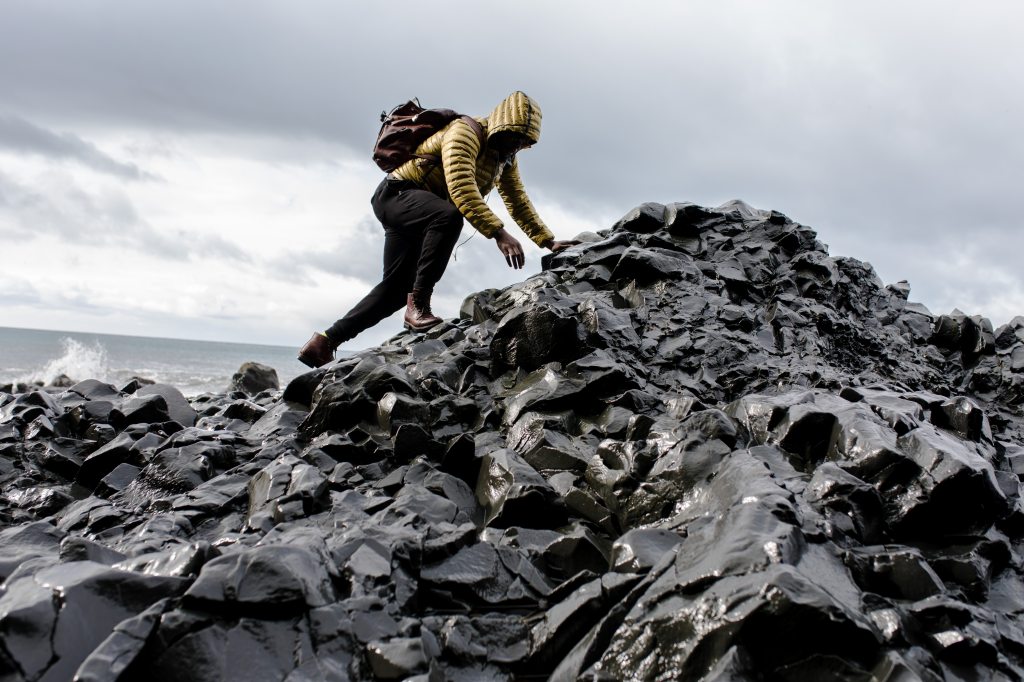
Since there is nothing to lose, nothing really matters. You start to act with true authenticity, and with the humbleness that comes when starting back from Zero. You go back to being a child again. Playful, you are not afraid to take risks, you keep falling, like when you learned to walk, but you keep getting up. You develop a character of a warrior. Since you are not distracted with so much noise around you, you can see what is truly important.
When we analyse history and those people who did remarkable things for our World and our Humanity, most of those people came from an adverse environment. They went through physical disabilities, rejections from society. They were the anarchist, the lonely, the bullied. The classic example, is the German young long-haired teenager high school dropout, who in 1890 went to Italy to wander on the streets of Pavia, after his german teachers had told him that he was a hopeless thing, which never will amount to anything. His questions destroyed the discipline of the classroom, so he would be better off out. Indeed he did, because he had all the time and freedom to wander around and let his mind come back to those questions that intrigued him. His name was Albert Einstein, and his questions and observations changed the World.
In our modern World, things are not as they were in the past. Thanks to sophisticated technology and vast efficiently arranged food, water and thousands of other commodities and supplies, we have developed societies that do not need to worry anymore about subsistance. We have, to an extent, such an easy life, that we have became accustomed to it. Confort and easyness became the normal. It became so easy to accumulate stuff, that we don´t know any other way to live. We lost contact to the nature. We lost contact to our spirit. We lost the essence of beauty on the simplicity, and we let pass everyday the miracle of life. To the point that a material loss make us suffer to an irrational extent. The loss of a beloved one, becomes a devil tragedy, an event so unfair, as if someone somewhere out there would be moving us pulling out stringes, like marionettes, enjoying our suffering.
I come to believe however, that adversity can be a very valuable teacher. It maintains the balance of a well lived life. With the adversity, you keep growing, you keep fine-tunning the truly remarkable and beautiful humanity in you. We can enjoy with much more intensity the good things that happen to us. We can truly delight ourselves with the sour-sweetness of life. As a popular saying goes «The sweet never would taste so sweet without the sour».
I am forever grateful for all the bad things that had happened to me. Without them, I would not be the person I am today. Every single pain I went through, has been worth it, because I keep waking up every morning, with air in my lungs, with beats on my heart. With the Sun touching my skin, I feel amazed every single day, of the beauty of life. I observe the nature and consider it as something divine, something so pure and so simple, so essential. Adversity created the beauty of the world, and will forever be the catalyst of change, and the seed of life.
https://www.paolaknecht.com/wp-content/uploads/2020/01/man-wearing-hoodie-and-black-pants-climbing-up-pile-of-rocks-1058958-scaled.jpg17072560paolahttps://www.paolaknecht.com/wp-content/uploads/2024/07/logo.pngpaola2020-01-29 21:14:082020-01-29 21:14:08Adversity is your best teacher